


At its core, ultraviolet water treatment is a remarkably elegant process of disinfection. It uses a specific wavelength of UV light, known as UV-C, which has the power to pierce the outer membrane of microorganisms like bacteria, viruses, and protozoa. Once inside, this energy scrambles their DNA and RNA, rendering them incapable of reproducing and causing illness. They are effectively inactivated—sterilized without adding a single chemical to the water.
This method is most often used as a final, powerful step in a multi-stage purification process. It acts as a gatekeeper after sediment filters or reverse osmosis (RO) systems have removed physical particles and dissolved solids, ensuring the water is microbiologically safe. You’ll find it in both point-of-use systems under a kitchen sink and larger point-of-entry systems that treat all the water entering a villa or building.
How a UV Water Filter System Works
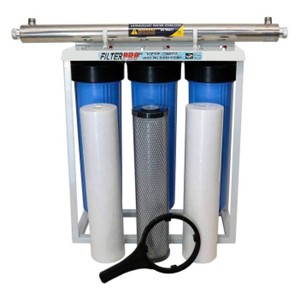
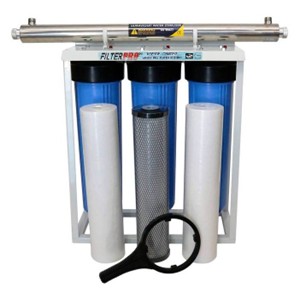
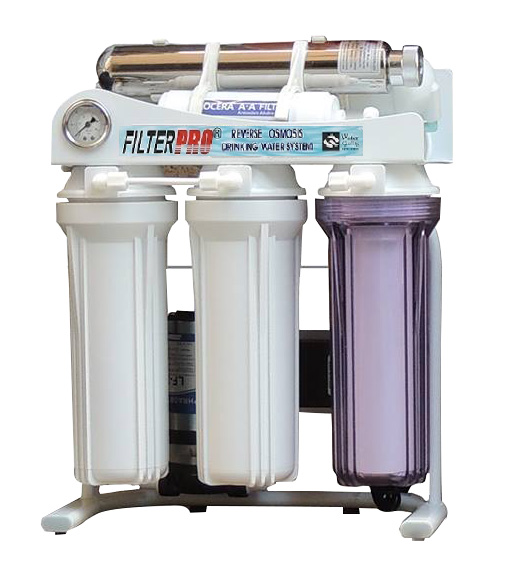
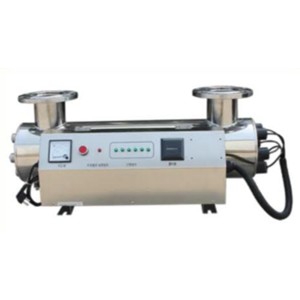
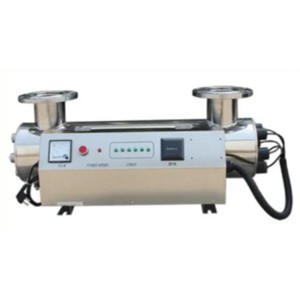
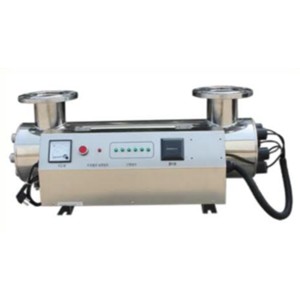
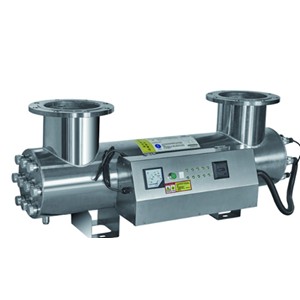
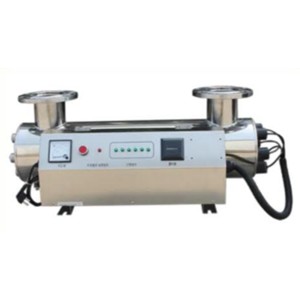
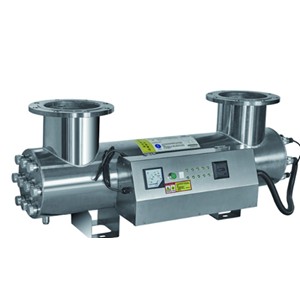
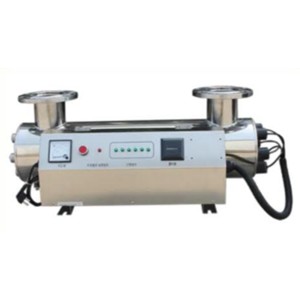
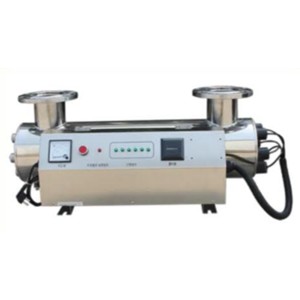
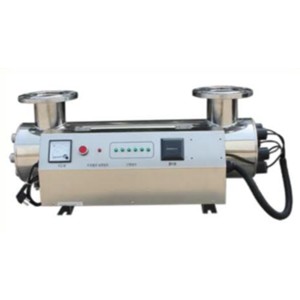
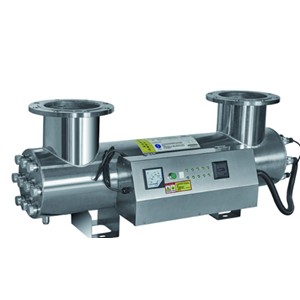
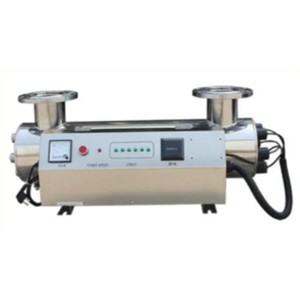
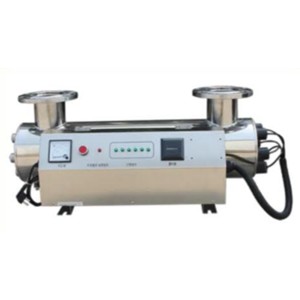
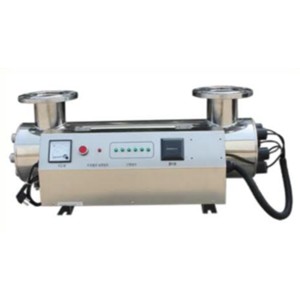
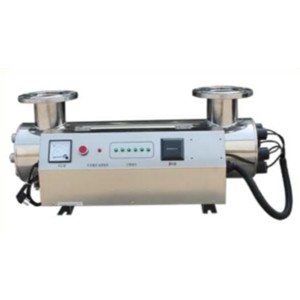
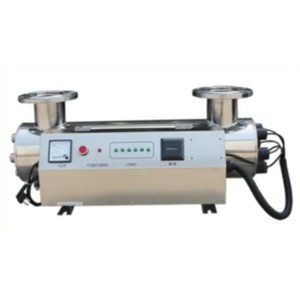
The mechanics of a UV water filter system in Dubai are straightforward, which is a key part of its appeal. Water is channeled into a stainless steel reactor chamber, where it flows past a UV lamp. This lamp is protected by a transparent quartz sleeve, which allows the UV-C light to penetrate the water effectively. A control unit, or ballast, regulates the electrical supply to the lamp, ensuring it operates at the correct intensity.
The system’s performance is measured by a few key metrics:
- UV Dose: This is the amount of UV energy delivered to the water, measured in millijoules per square centimeter (mJ/cm²). A sufficient dose is required to inactivate different types of pathogens.
- Flow Rate: The system is designed to handle a specific maximum flow rate. If water moves too quickly past the lamp, it won’t receive an adequate UV dose.
- UV Transmittance (UVT): This measures water clarity. If the water is cloudy with sediment or organic matter, these particles can shield microbes from the UV light, reducing the system’s effectiveness.
The Clear Benefits of UV Filtration
For homes and businesses in Dubai, installing a UV light water filter offers compelling advantages:
- Highly Effective Disinfection: UV is proven to inactivate a vast range of pathogens, including chlorine-resistant ones like Giardia and Cryptosporidium.
- Chemical-Free: It purifies water without adding chemicals like chlorine, meaning the taste, odor, and pH of your water remain unchanged.
- Low Maintenance: The primary maintenance tasks are simple: replacing the UV lamp (typically once a year) and periodically cleaning the quartz sleeve.
- Compact and Efficient: UV systems have a small footprint, making them easy to integrate into existing plumbing in both residential and commercial settings.
When UV Alone Is Not Enough
Despite its power, a UV water filter has specific limitations. It is a disinfection tool, not a comprehensive purification solution. UV is ineffective against:
- Dissolved solids like salts, nitrates, and fluoride.
- Heavy metals such as lead and mercury.
- Chemicals like chlorine and pesticides.
- Turbidity (cloudiness) caused by sediment, silt, or rust.
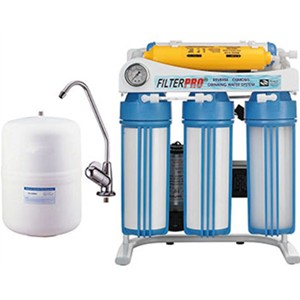
Furthermore, UV provides no residual disinfection. Once the water leaves the UV chamber, it is susceptible to re-contamination downstream. This is why multi-barrier systems are the gold standard. In Dubai, it’s common to see a UV water filtration system paired with sediment and carbon filters, or as the final stage after a reverse osmosis (RO) unit, which handles dissolved solids and chemicals.
Regulations and Standards in Dubai
Ensuring water safety is a top priority for Dubai’s regulatory bodies. If you’re considering a water treatment system, it’s essential to be aware of the guidelines from authorities like:
- Dubai Municipality (DM): Provides regulations for health, safety, and building codes, including standards for potable water systems in residential and commercial properties.
- Regulatory & Supervisory Bureau (RSB): Sets the rules for water quality in the emirate.
- Dubai Health Authority (DHA): Issues guidance for water systems in healthcare and other sensitive facilities.
Any UV water filter system in Dubai should be certified to meet these local standards, ensuring it delivers a safe and effective UV dose for disinfection. Compliance is not just about safety; it’s also about meeting the sustainability goals outlined in Dubai’s green building codes.
Installation and Maintenance in the UAE Climate
Installing a UV system in Dubai requires careful planning.
- Sizing: The system must be correctly sized for your property’s peak flow rate. Undersizing is a common mistake that compromises safety.
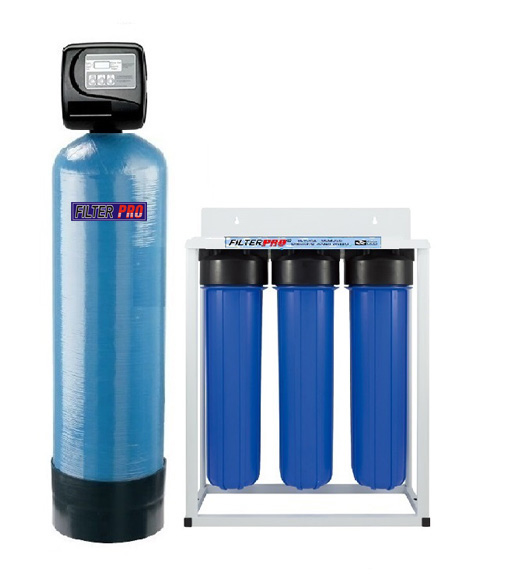
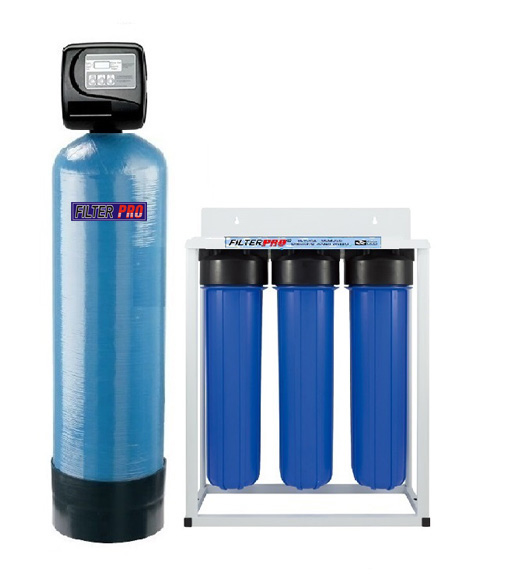
- Pre-filtration: To ensure your UV system works effectively, pre-filtration is almost always necessary to remove sediment and improve water clarity (UVT). A sediment filter followed by a carbon block filter is a standard recommendation.
- Climate Considerations: The UAE’s high ambient temperatures can affect the performance and lifespan of the ballast and electronic components. The system should be installed in a location protected from direct sunlight and excessive heat, with adequate ventilation.
Lifecycle costs are predictable. Expect to replace the UV lamp every 9,000 hours (roughly once a year) and have the quartz sleeve cleaned during the same service visit. When choosing a supplier, confirm the local availability of replacement lamps and parts to avoid downtime.
Finding the Right UV System Supplier in Dubai
When you’re ready to purchase a UV ultraviolet water filter in Dubai, choosing a reputable vendor is critical. Look for established water treatment companies that offer:
- Systems with validated performance and certifications (e.g., NSF/ANSI 55).
- Expert consultation to correctly size the system based on your water test results and flow rate.
- Professional installation and comprehensive maintenance contracts.
- Local stock of spare parts and a reliable service network.
Ask potential vendors for documentation on the system’s UV dose, flow curves, and certifications to verify their claims.
Your Path to Purer Water
For residents and businesses in Dubai, the quest for pure, safe water is paramount. A UV water filtration system offers a powerful, chemical-free line of defense against microbial contaminants, preserving the natural taste and quality of your water. While it’s not a standalone solution, when integrated correctly with pre-filtration, it provides the peace of mind that comes from knowing your water is protected.
The first step is always to understand what’s in your water. Have it professionally tested. Then, consult with a certified local supplier to design a system that meets your specific needs and complies with all Dubai regulations. Your journey to safer, better-tasting water starts with a single, informed choice.
Frequently Asked Questions
Does a UV filter remove chemicals, fluoride, or TDS?
No. UV is strictly for microbial disinfection and does not remove dissolved chemicals, solids (TDS), or heavy metals. For that, you would need a reverse osmosis or carbon filtration system.
How often do I need to replace the UV lamp?
UV lamps typically need to be replaced every 9,000 hours of use, which translates to about once a year for continuous operation.
Can UV make my water safe from all microorganisms?
UV is highly effective against most bacteria, viruses, and protozoa. However, its effectiveness depends on a sufficient UV dose and clear water. If the water is cloudy, microbes can be shielded from the light, which is why pre-filtration is so important.